©2026 First Aid Air Conditioning Inc. All rights reserved. A Trades Mosaic Company, designed by RMH Websites.



A Port St. Lucie homeowner called us on a 94-degree July afternoon with the kind of news every Florida homeowner dreads in summer. The AC was done. Thirteen years of service, and the old single-stage system finally gave up the ghost mid-afternoon, just as outdoor temps were climbing past 95. Indoor temperature was already creeping past 84 by the time we picked up the phone, and there was no limping the system through another summer.
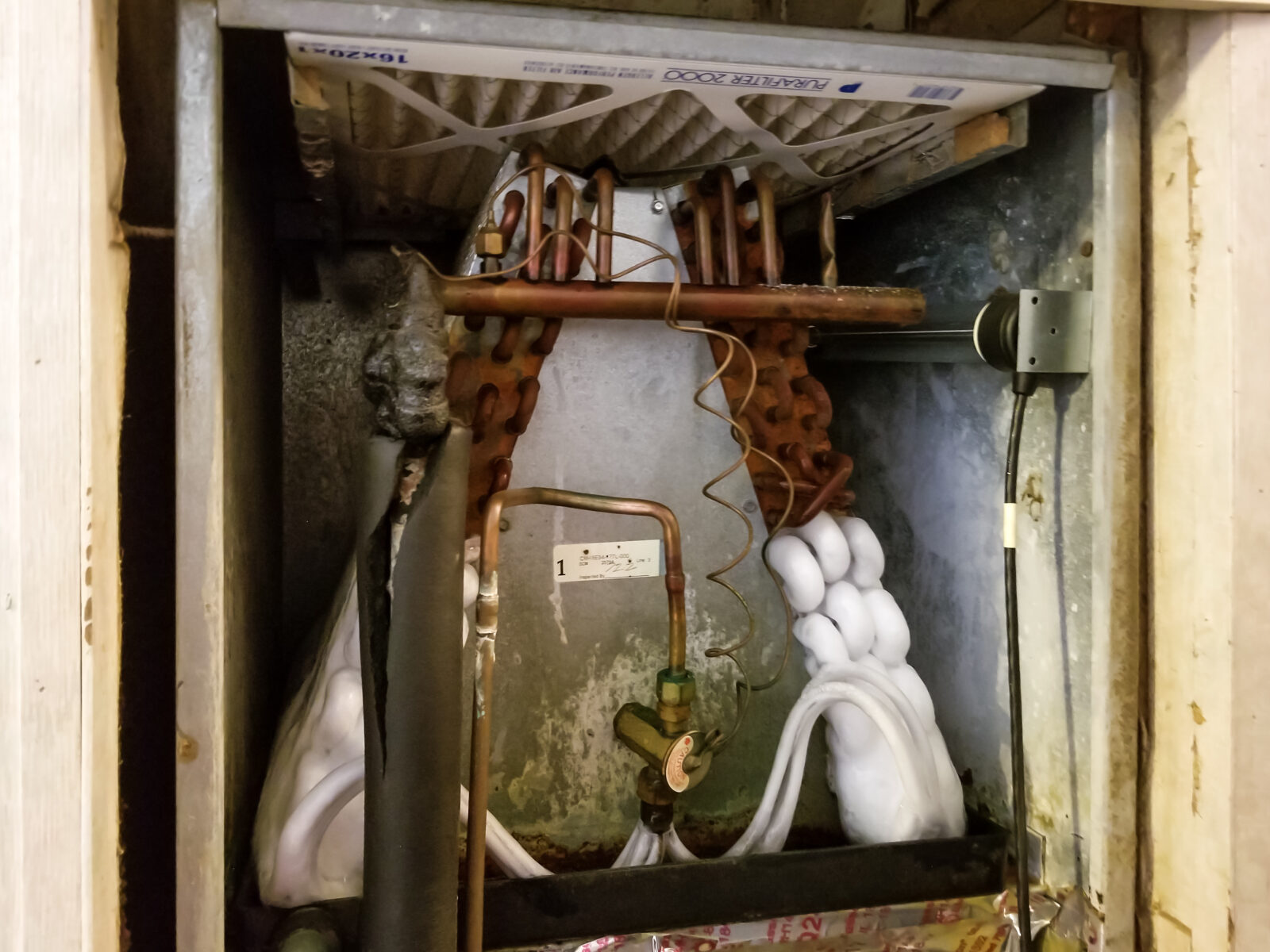
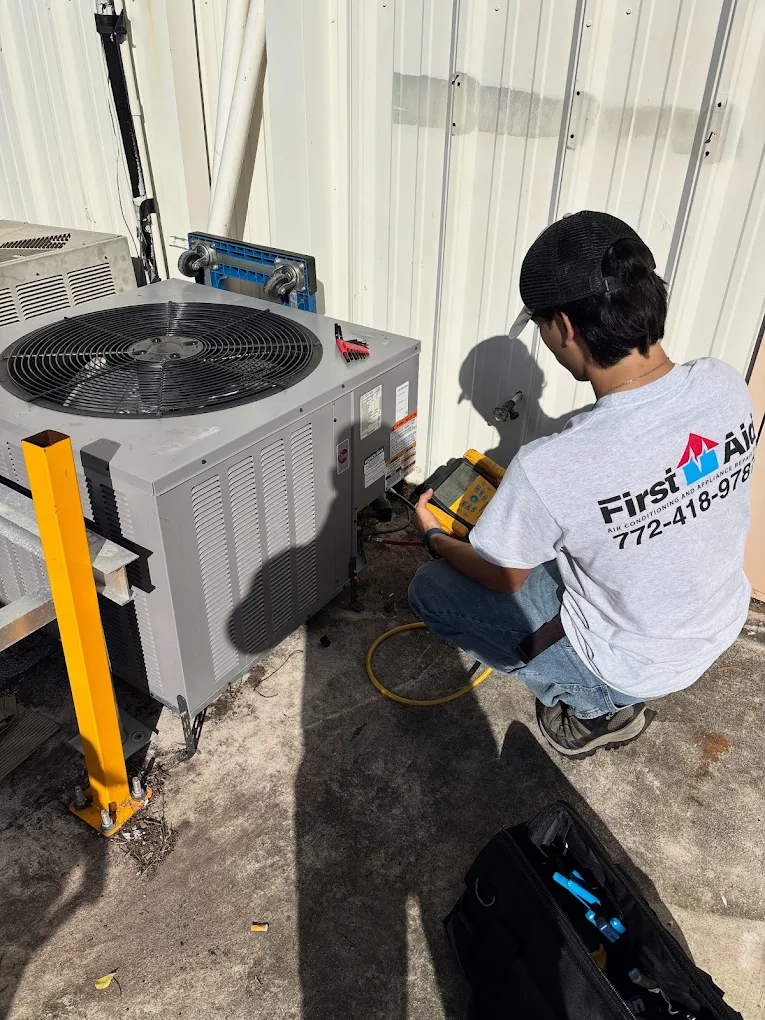
We dispatched a tech same day. Within an hour of the call, he was on site, pulled the service panel on the outdoor condenser, and ran a full diagnostic. The compressor was drawing locked-rotor amps and not starting. The contactor was pitted from years of cycling. The capacitor was reading well below spec. And the refrigerant lines were showing signs of an older R-22 system that had been topped off more than once over the years. Replacement was the right call, not repair. Throwing parts at a thirteen-year-old R-22 unit in Florida buys you maybe a season, and by August you're paying for a new install anyway.
The homeowner had two real options on the table. A single-stage builder-grade replacement that would match the original equipment and keep the install cost down, or a higher-efficiency variable-speed system that costs more up front but pays back in lower power bills and better humidity control over the life of the system. She picked the variable-speed system, which is the right call for almost every Florida home that plans to stay in place for more than five years. Variable-speed matters in Florida because the compressor ramps up and down with the actual cooling demand instead of cycling on and off all day. That means better humidity control (a huge deal in Florida where humidity is half the comfort equation), lower power draw, quieter operation, and dramatically less wear on the compressor over the system's life.
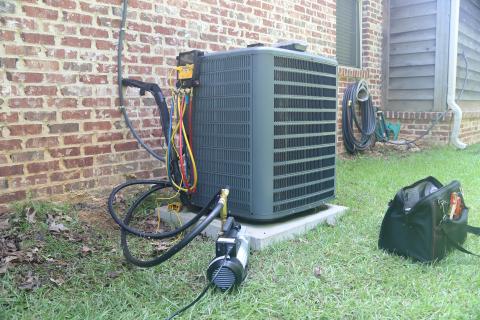
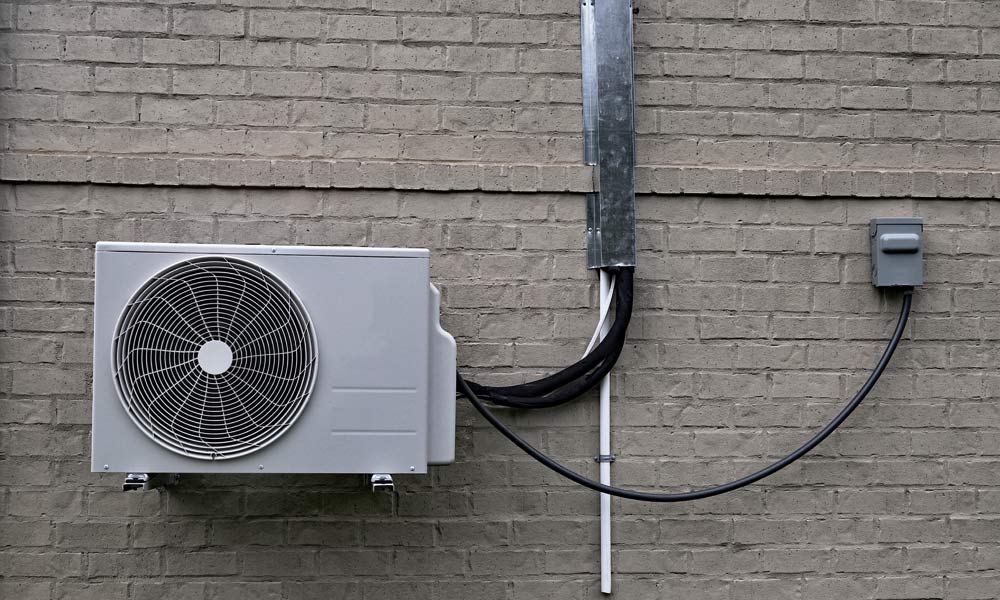
The install crew was back on site the next morning at 7 a.m. By the time the homeowner finished her first cup of coffee, the old condenser was unbolted from its pad and on the truck. New outdoor condenser set on a fresh pad with vibration isolators. New indoor air handler swapped in with proper return air sealing. Fresh refrigerant line set run instead of trying to flush the old R-22 lines, because mixing the wrong refrigerant residue with the new system would have voided the manufacturer warranty. Electrical disconnect upgraded to current code, since the old one didn't meet today's NEC requirements. Smart thermostat wired in so she could control the system from her phone or her Alexa. Permit pulled with the city and inspection scheduled for the following week.
From the first phone call to cold air running again, the whole job took under eight hours of on-site work spread across two days. She was back to comfortable 74-degree indoor temps before dinner on day two. The new system carries a ten-year manufacturer parts warranty plus our one-year labor warranty on the install work. Her projected power savings work out to roughly 25 to 30 percent on AC-related electricity use compared to the old R-22 unit, which over the service life of the system pays for a meaningful chunk of what she spent on the install.
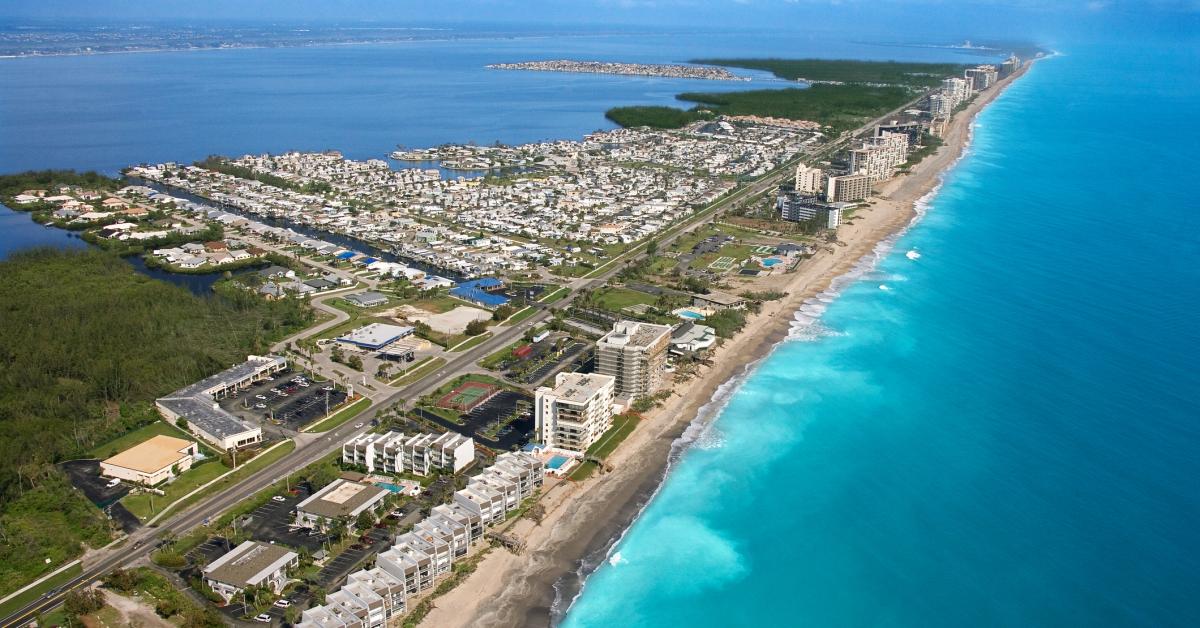
In a climate like the Treasure Coast, going without AC isn't a comfort issue. It's a habitability issue, an indoor air quality issue, and (for older residents, kids, or anyone with respiratory conditions) a real health issue. We keep enough common-sized condensers and air handlers on the truck to handle a same-day replacement for most central residential systems when the schedule allows. If your AC is showing signs of imminent failure, a planned replacement on your terms beats an emergency replacement on a 94-degree afternoon every time. Call 772-418-9787 and we'll walk you through your options.


.svg)
.svg)